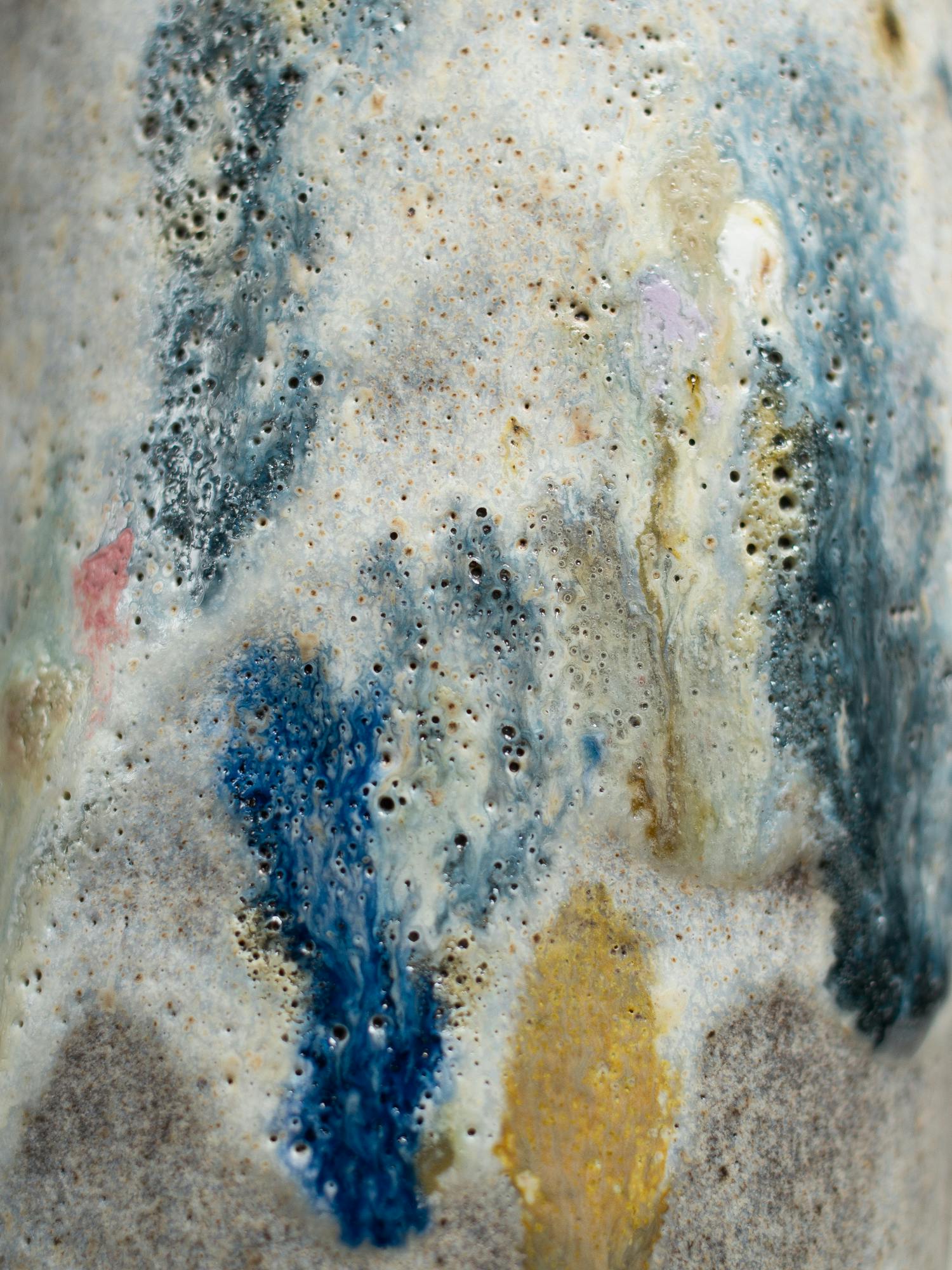
Layering GLOST glazes: a practical guide
Layering is where glazes stop being “a colour” and start becoming a surface. It’s also where a lot of people lose time - because the same two glazes can look completely different depending on thickness, clay body, and firing.
To make this easier (and more fun), I’ve put together a new GLOST Layering PDF: a studio-friendly reference of tested glaze combinations so you can get to interesting results faster, without starting from zero every time.
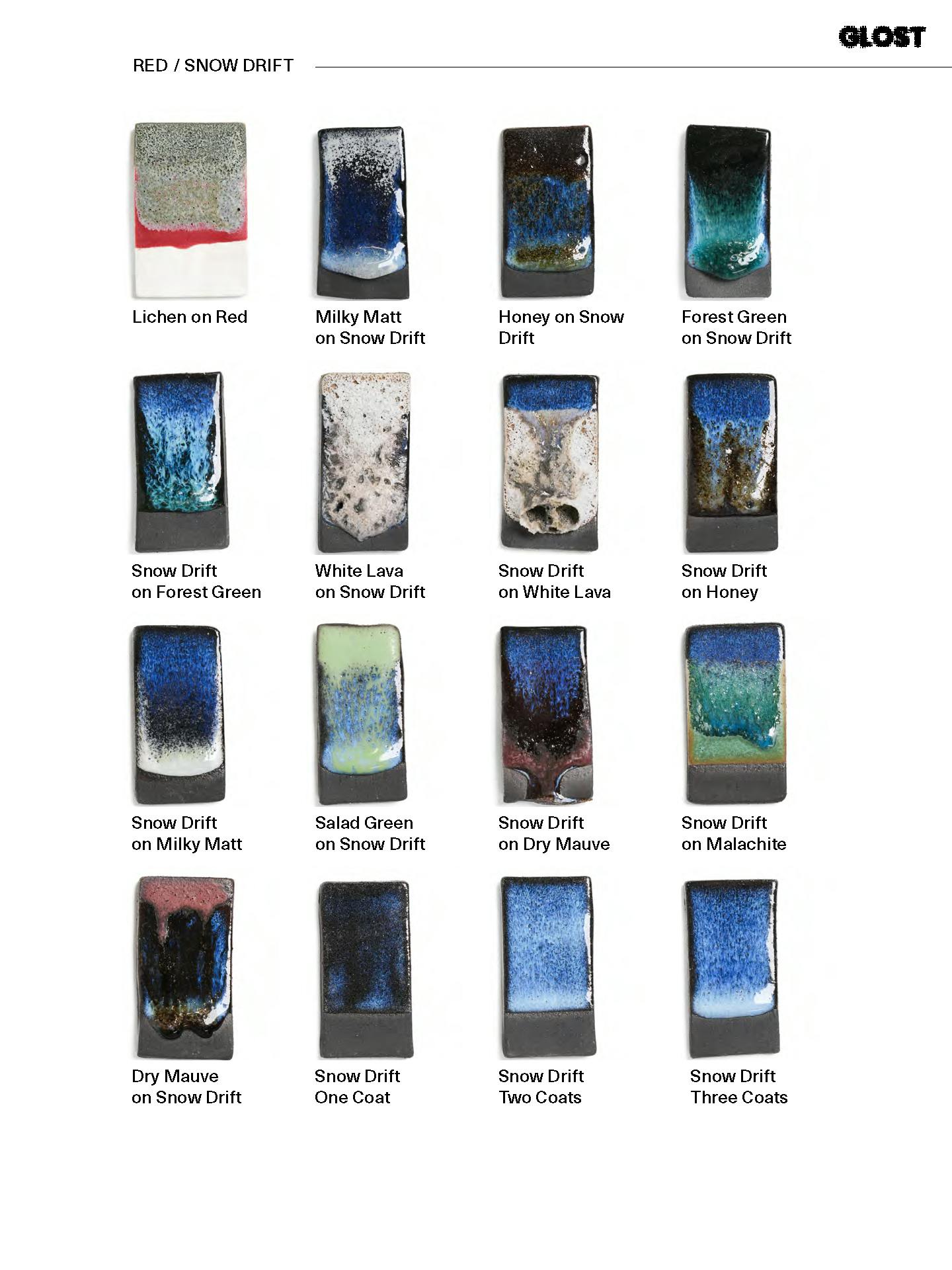
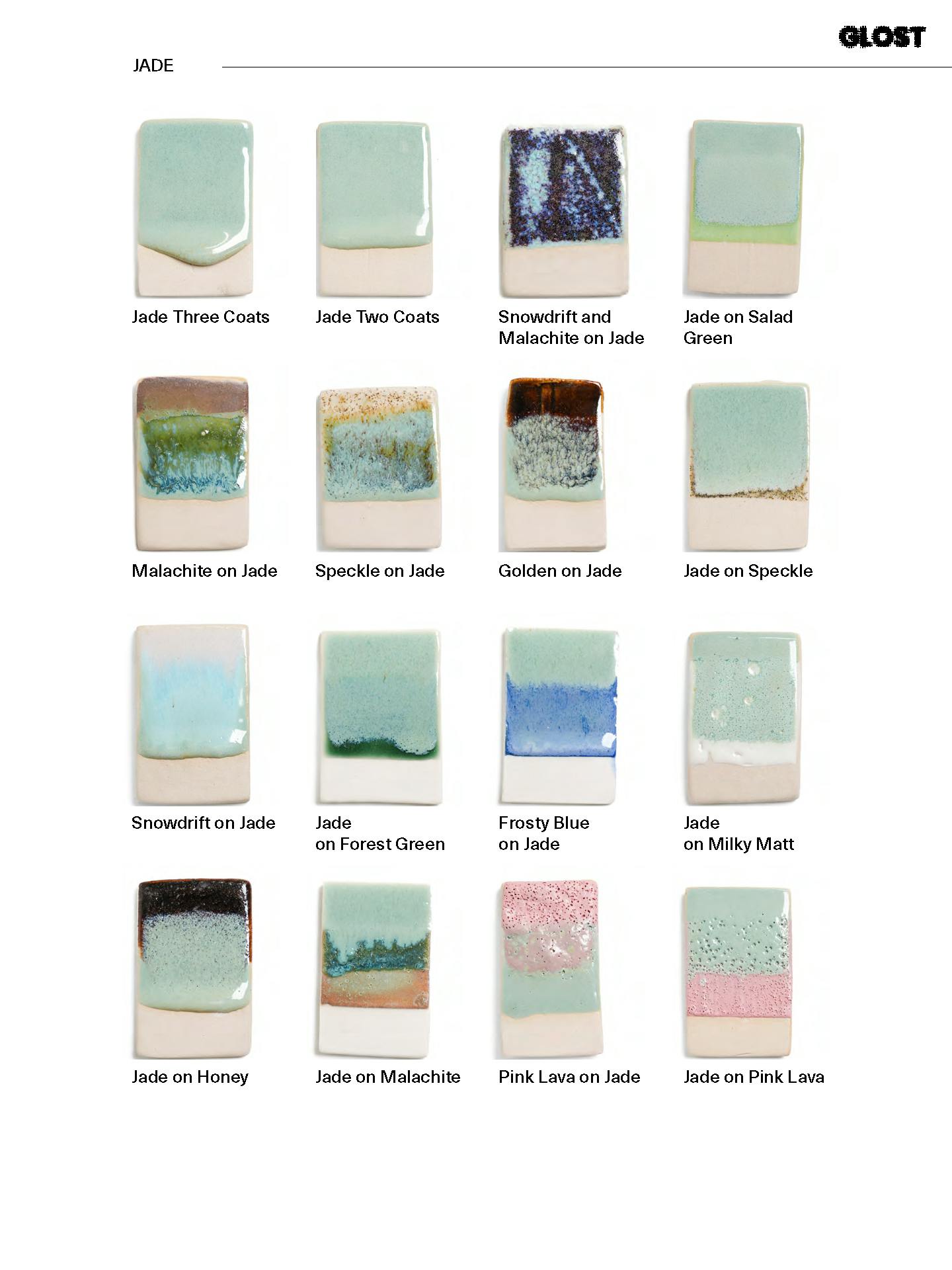
FULL PDF HERE
What this layering PDF is (and what it isn’t)
This is a practical guide built from real tests. It’s meant to be used while you’re glazing - open on your phone, iPad, or printed next to your bucket shelf.
Like any glaze testing, it’s not a promise that every kiln will fire the same. It’s a starting point that saves you time, gives you reliable directions, and helps you build your own layering instincts.
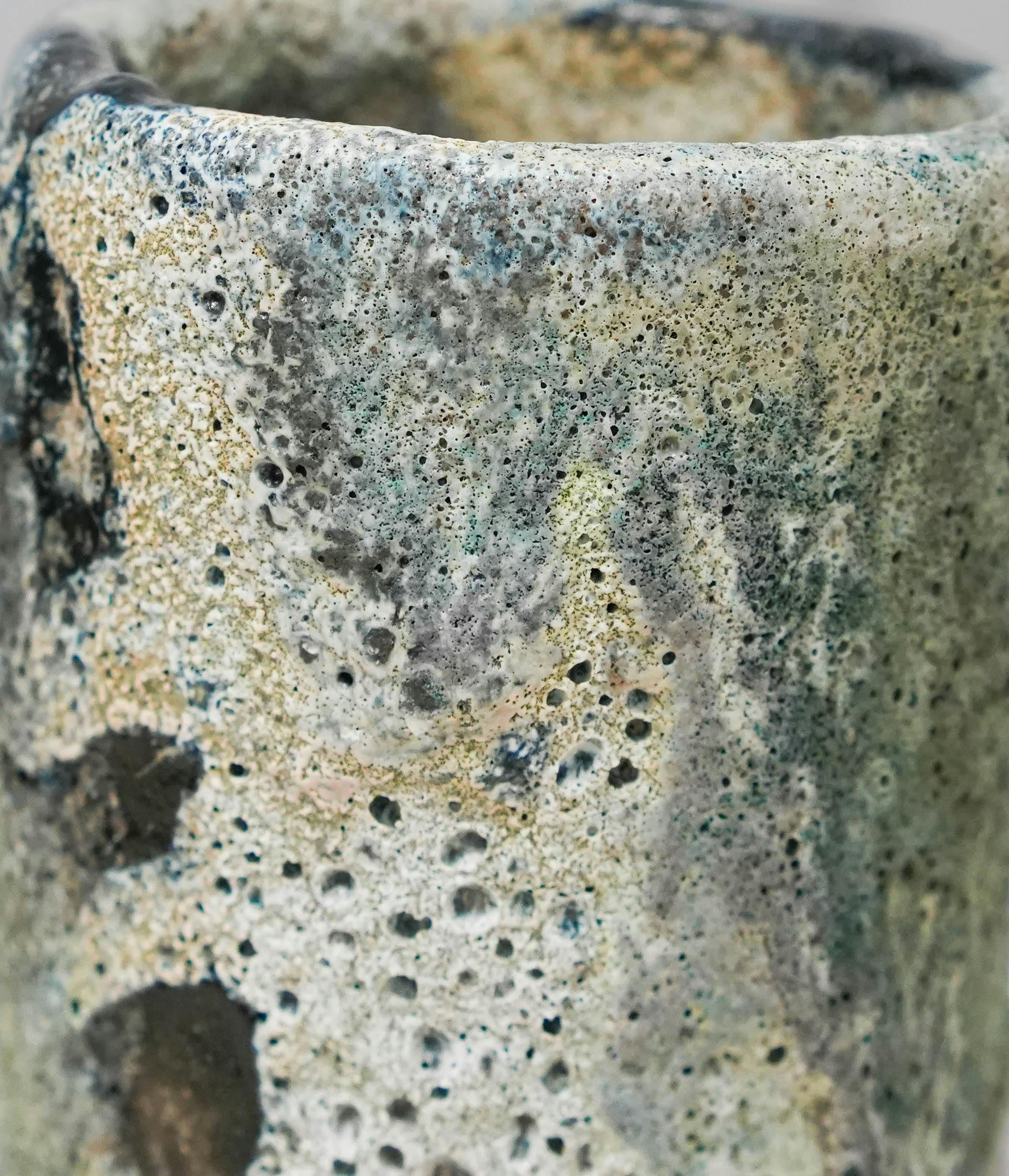
Black Gloop, Lichen, Speckle, White Lava
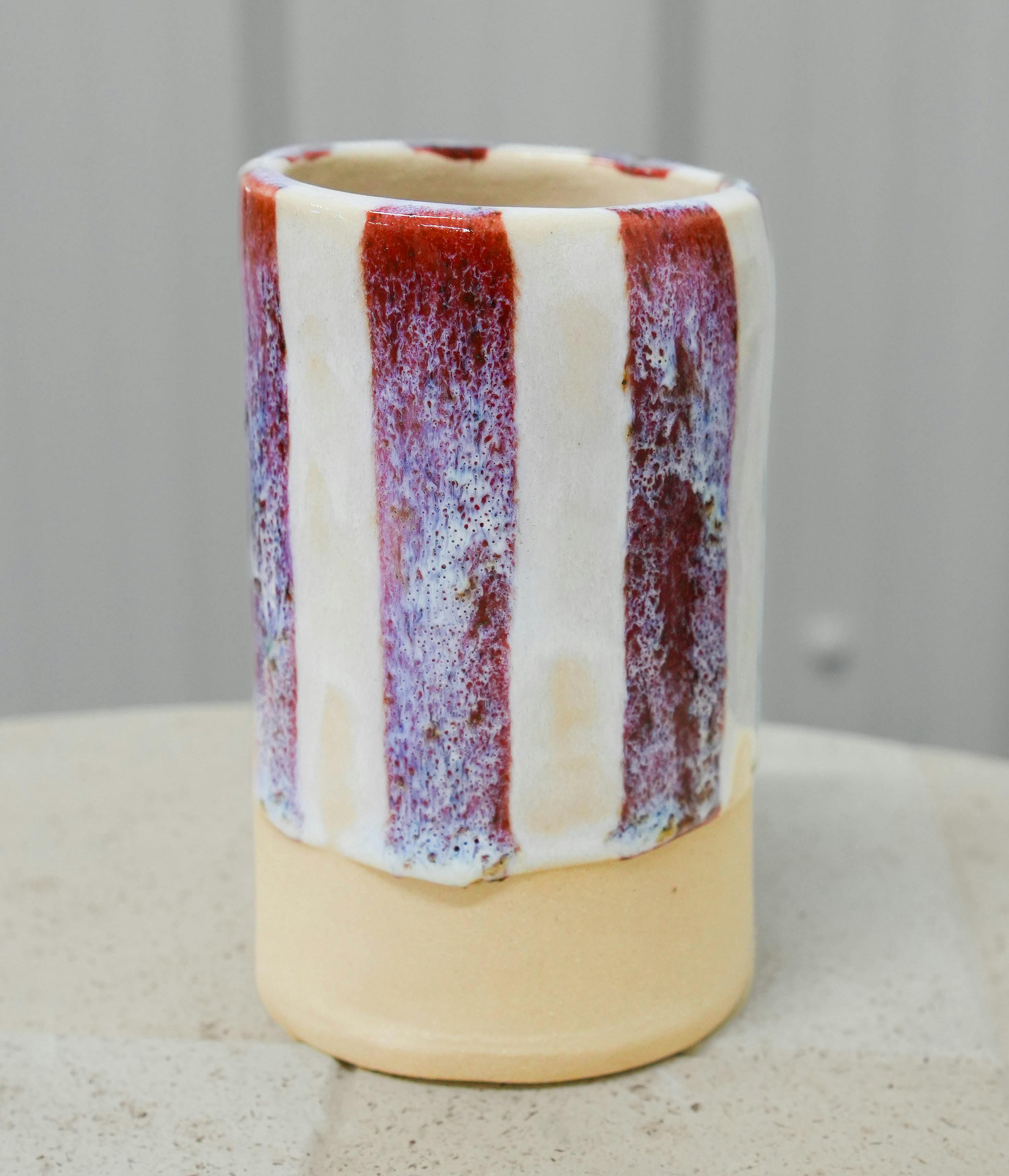
Cranberry and Snowdrift
How to use it in your own studio
If you only do one thing: pick one combination from the PDF and test it in a small, repeatable way.
A simple approach that works:
Use the same clay body for a mini run of test tiles.
Keep your coats consistent (same brush, same number of coats, same drying time between layers).
Label everything clearly (top glaze / bottom glaze / coats).
Fire as you normally do -> then record what happened.
You’ll learn more from three controlled tests than from ten random experiments.
Why your results might look different (and why that’s normal)
Even with the same glazes, small changes can make big differences:
The clay body (porcelain vs stoneware, smooth vs groggy)
Thickness (especially with brush-on glazes)
How dry the first layer is before the second goes on
Firing schedule and where the pieces sit in the kiln
That’s not a downside - it’s the point of layering. The PDF just gives you a solid map so you’re exploring on purpose, not guessing.
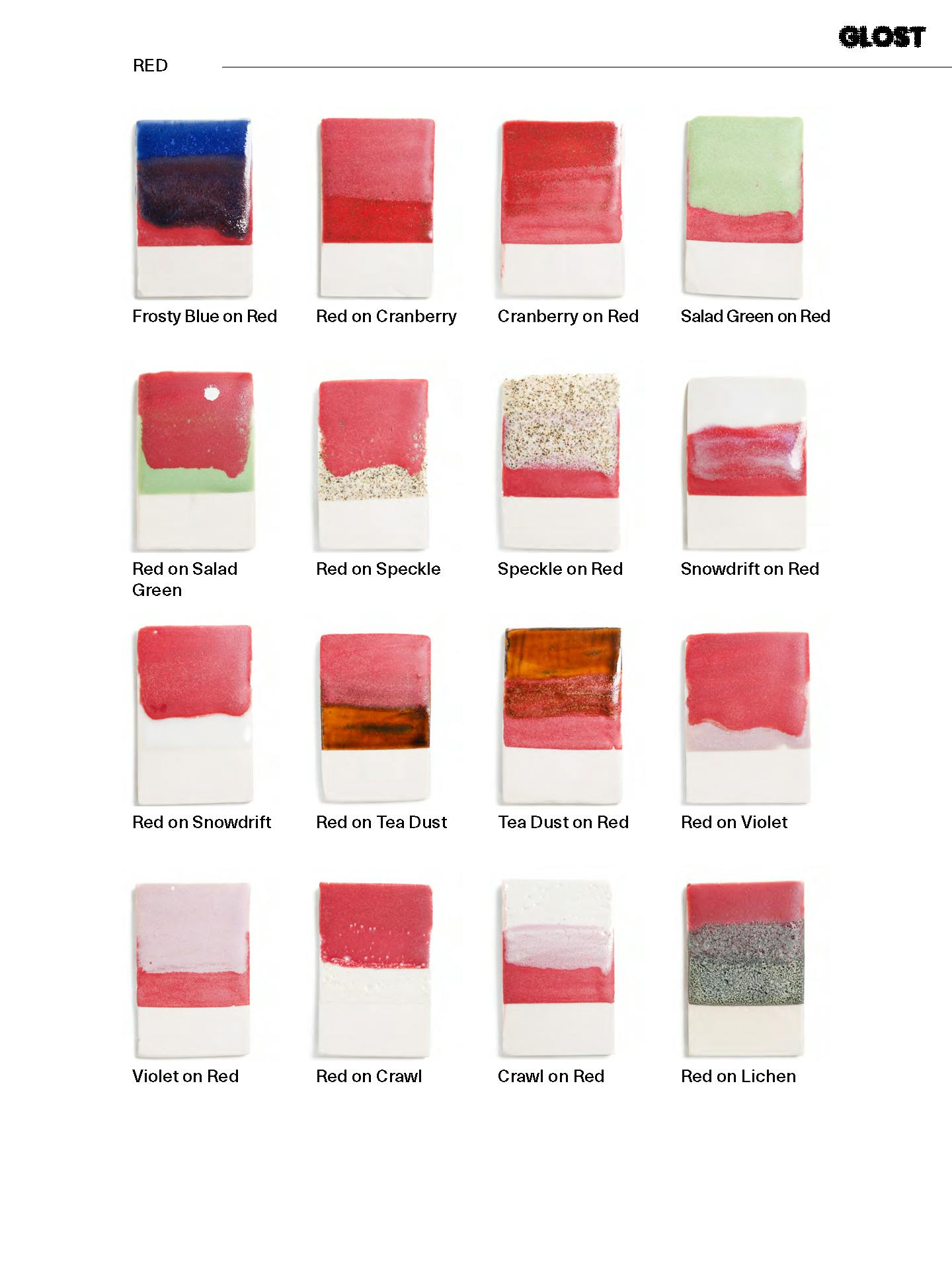
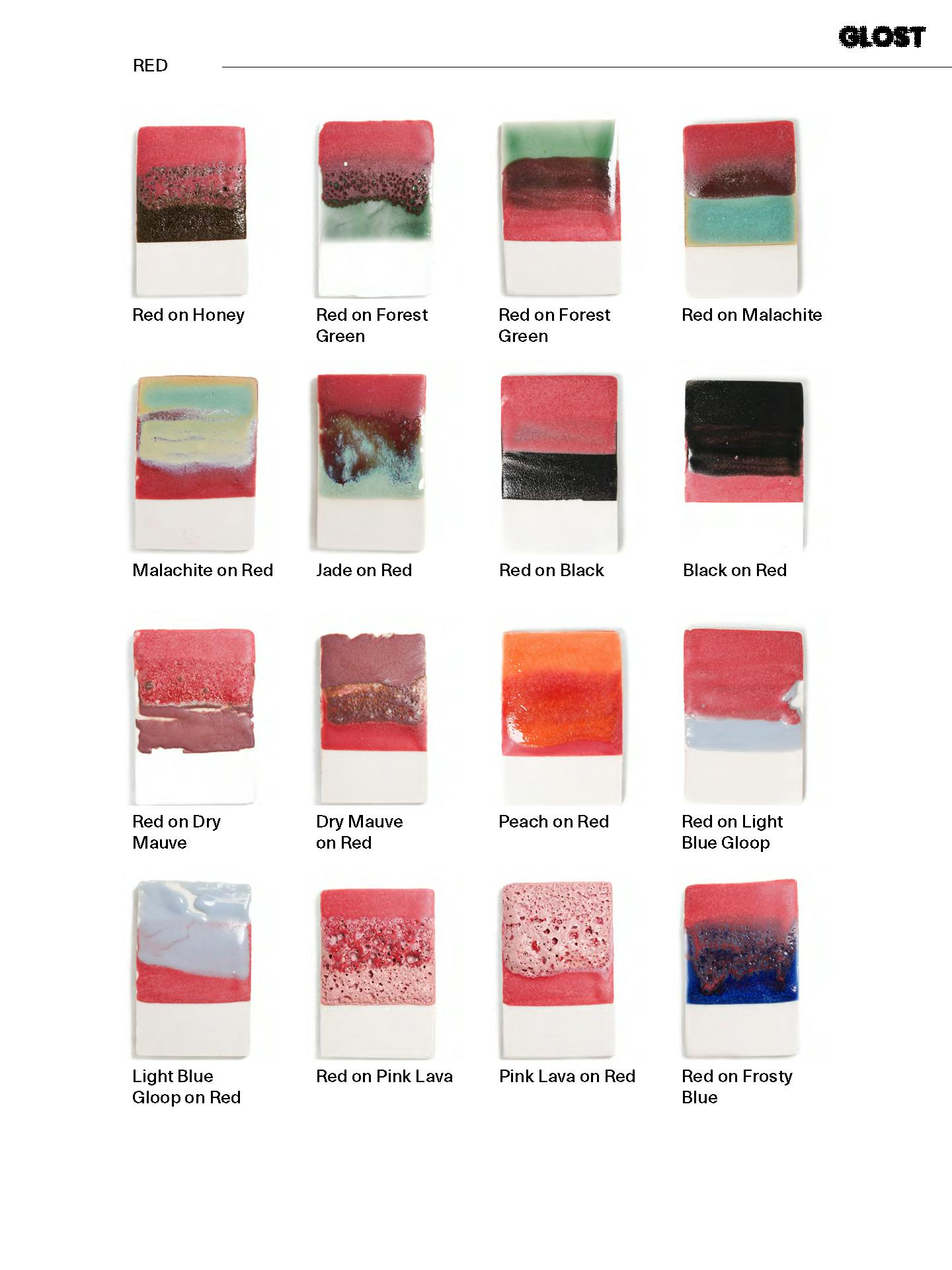
FULL PDF HERE
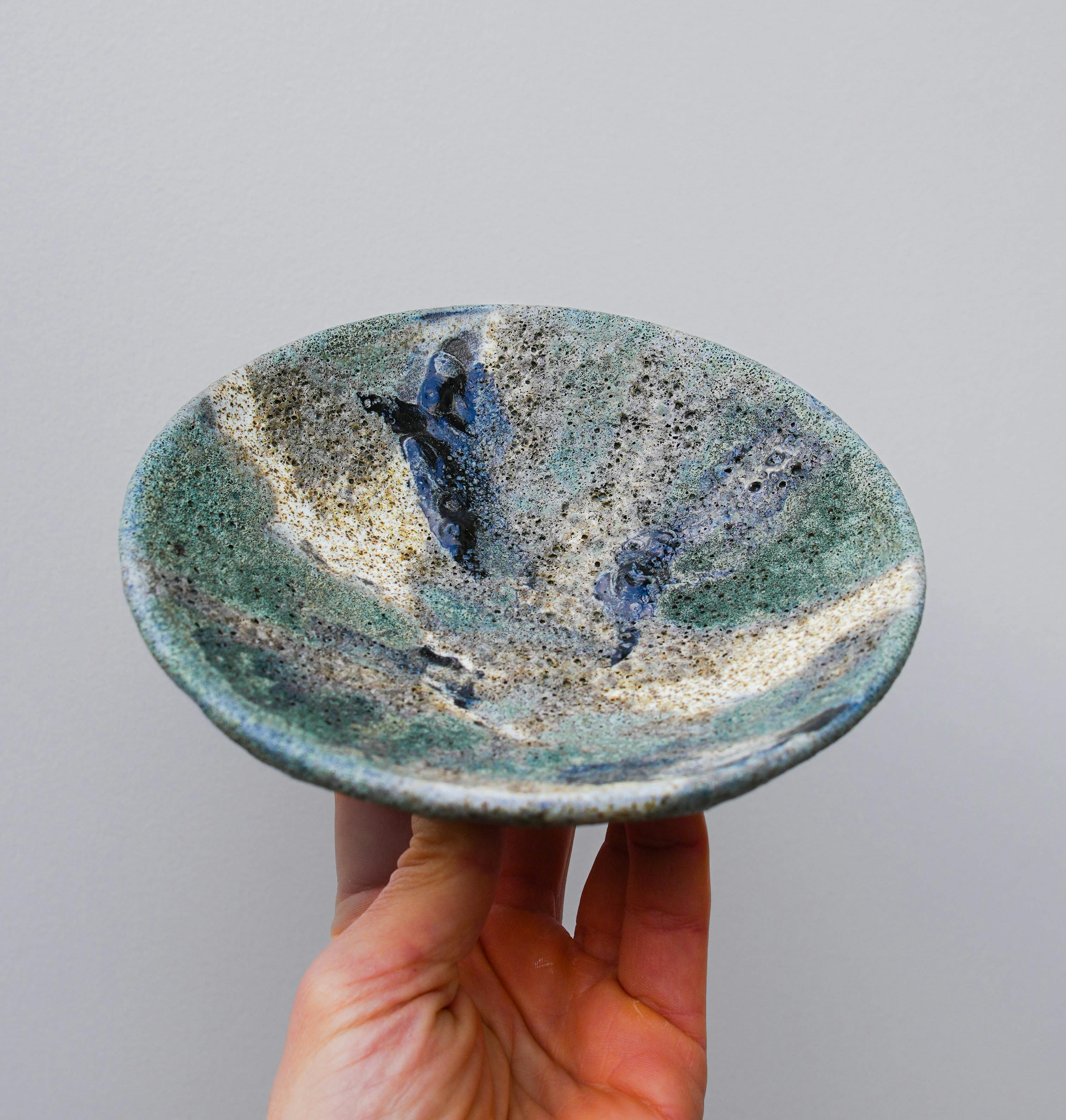
Black Gloop, Lichen, Speckle,
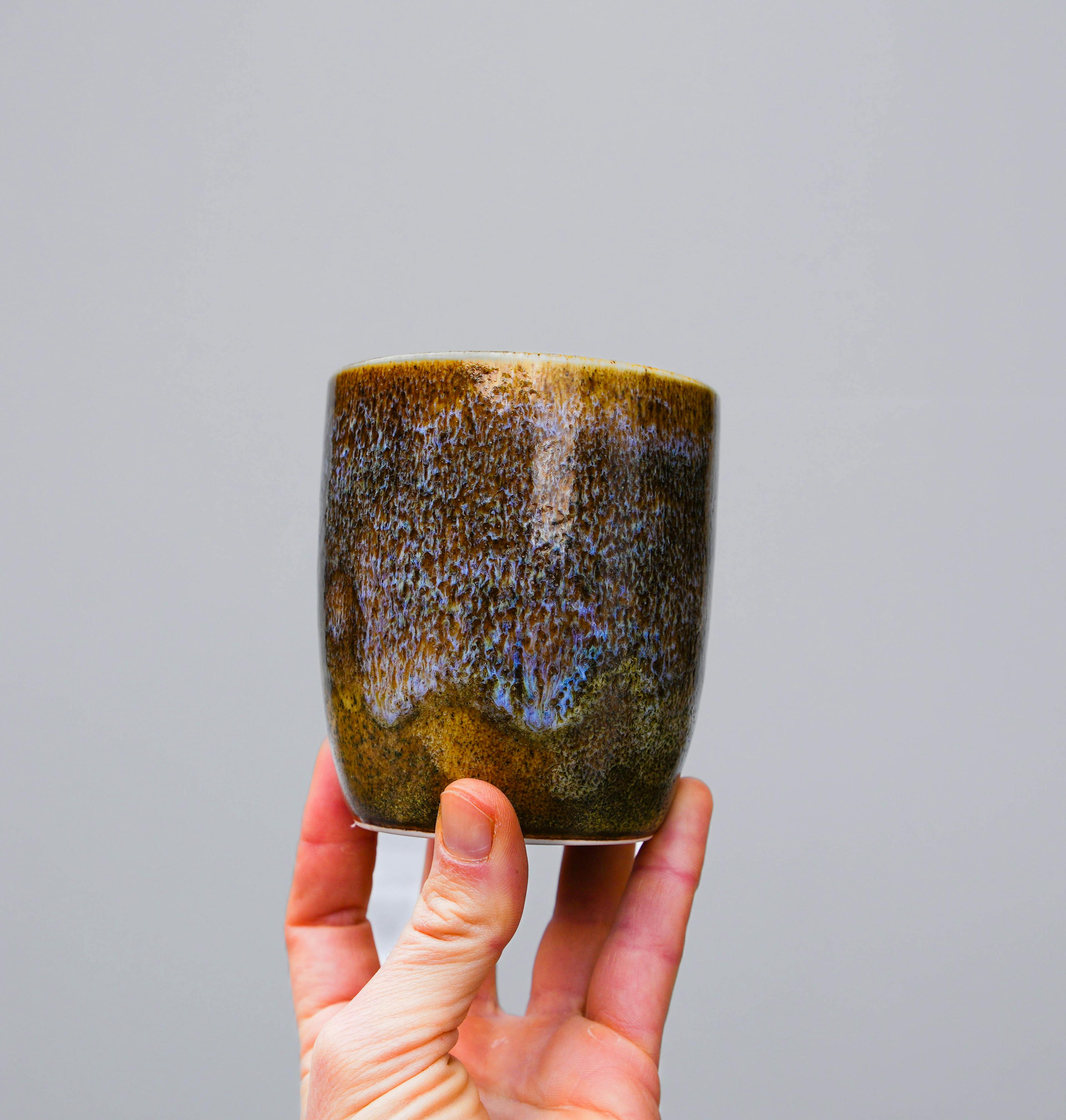
Golden, Speckle, Snowdrift
A quick layering “rule” that helps
If you’re not sure where to begin: start with a more stable base layer and add the more reactive glaze on top. Then test the reverse. Often the order is the difference between “nice” and “wow”.
And if you try any of the combinations, I’d genuinely love to see them — tag @glostglaze or email us at contact@glost-glaze.com with photos and your clay + firing notes. The community tests are often the most useful part!